

In a world where facts are constantly debated and rewritten, archives might just be the unsung heroes of our time. They’re more than dusty folders and forgotten storage rooms—they’re the guardians of our collective memory. And right now, they’re under threat. You may recall that I addressed this same topic in 2022 and wanted to have this post serve as a reminder to the very slippery slope archives, museums, libraries and other cultural institutions may be headed toward.
What Are Archives, really?
Think of archives as time machines. They hold the letters, photographs, documents, oral histories, videos, and records that tell the story of how we got here. They show how communities lived, what people fought for, and how change really happened.
Without archives, history becomes vulnerable to manipulation. They’re what allow us to say, “No, this really happened—and here’s the proof.”
How History Can Disappear Without Archives
It’s easy to take history for granted until it’s gone—or twisted beyond recognition. Here are just a few examples of what we’d lose without archives:
- The Tulsa Race Massacre (1921): For decades, this horrific attack on a thriving Black community in Tulsa, Oklahoma, was buried in silence. It wasn’t taught in schools, and many official records disappeared. Only thanks to survivor testimony and archived newspaper clippings was the truth able to resurface.
- Japanese American Internment (1942–1945): The U.S. government forcibly relocated over 120,000 Japanese Americans into camps during WWII. If it weren’t for the personal letters, photographs, and legal documents preserved in archives, this dark chapter might have remained a footnote—rather than a powerful reminder of the dangers of racial prejudice and unchecked authority.
- The Stonewall Uprising (1969): The early days of the LGBTQ+ rights movement was largely outside of media coverage. Much of what we know about Stonewall comes from community archives, interviews, and photos saved by activists—materials that were often ignored or discarded by mainstream institutions.
These stories, and countless others, would have been lost or distorted if not for the dedication of archivists and historians who preserved the evidence.
The Growing Threat to Our Archives
Now, here’s the troubling part. Today, there are efforts actively working to suppress certain parts of history. We’re seeing school boards banning books that address slavery, LGBTQ+ rights, or Indigenous history. Public institutions are being pressured to erase or “sanitize” historical content. And in some places, access to archives is being restricted or defunded entirely.
This isn’t just censorship—it’s historical erasure. When you take away the records, you take away the ability to question, to learn, to grow. You make it easier to repeat mistakes.
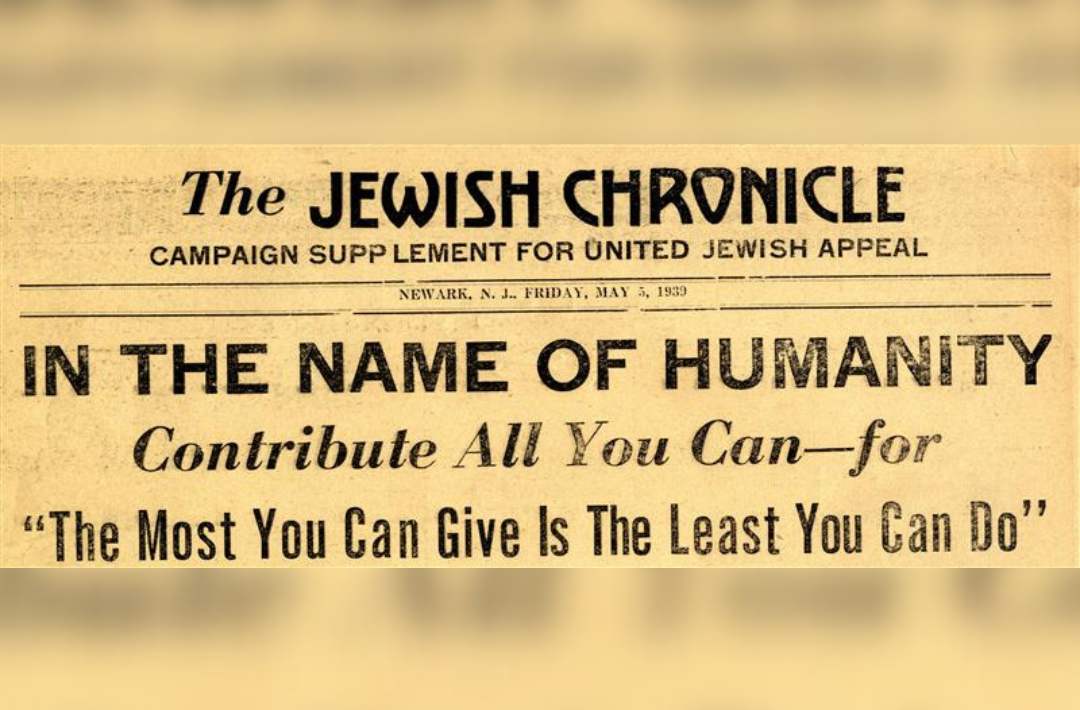
There will inevitably come a time in the future when the Jewish contribution to this country is called into question. Our Jewish Historical Society archives ensure that our history in America is never erased nor forgotten.
Archives = Democracy’s Backup Drive
A healthy democracy needs a well-informed public. Archives allow us to check the receipts—to hold governments accountable, to verify stories, and to ensure no one can simply rewrite history for convenience or power.
We don’t preserve history just for historians. We preserve it so everyone has the right to remember.
How You Can Help Protect Archives
- Support your local library, museum, or historical society
- Ask your representatives to fund public archives and protect freedom of information
- Visit archives yourself—many are open to the public and offer digital access
- Share and uplift stories from community archives, especially those representing marginalized voices
History belongs to all of us. But it only stays alive if we protect the places that keep it. Because when we lose history, we don’t just lose stories—we lose truth. And without truth, democracy starts to crack.
Please visit Federation’s Jewish Historical Society of Greater MetroWest, where your history is preserved and made accessible for generations to come!