
Newark’s Jewish cemeteries stand as enduring monuments to a once-thriving community. By the early 1900s, Newark’s Jewish population peaked at over 80,000, served by nearly 100 synagogues and burial grounds. The first known Jewish cemetery, Belmont Cemetery, was acquired in 1847 and used until around 1862 by the Mendelsohn Benevolent Society and Congregation B’nai Jeshurun.
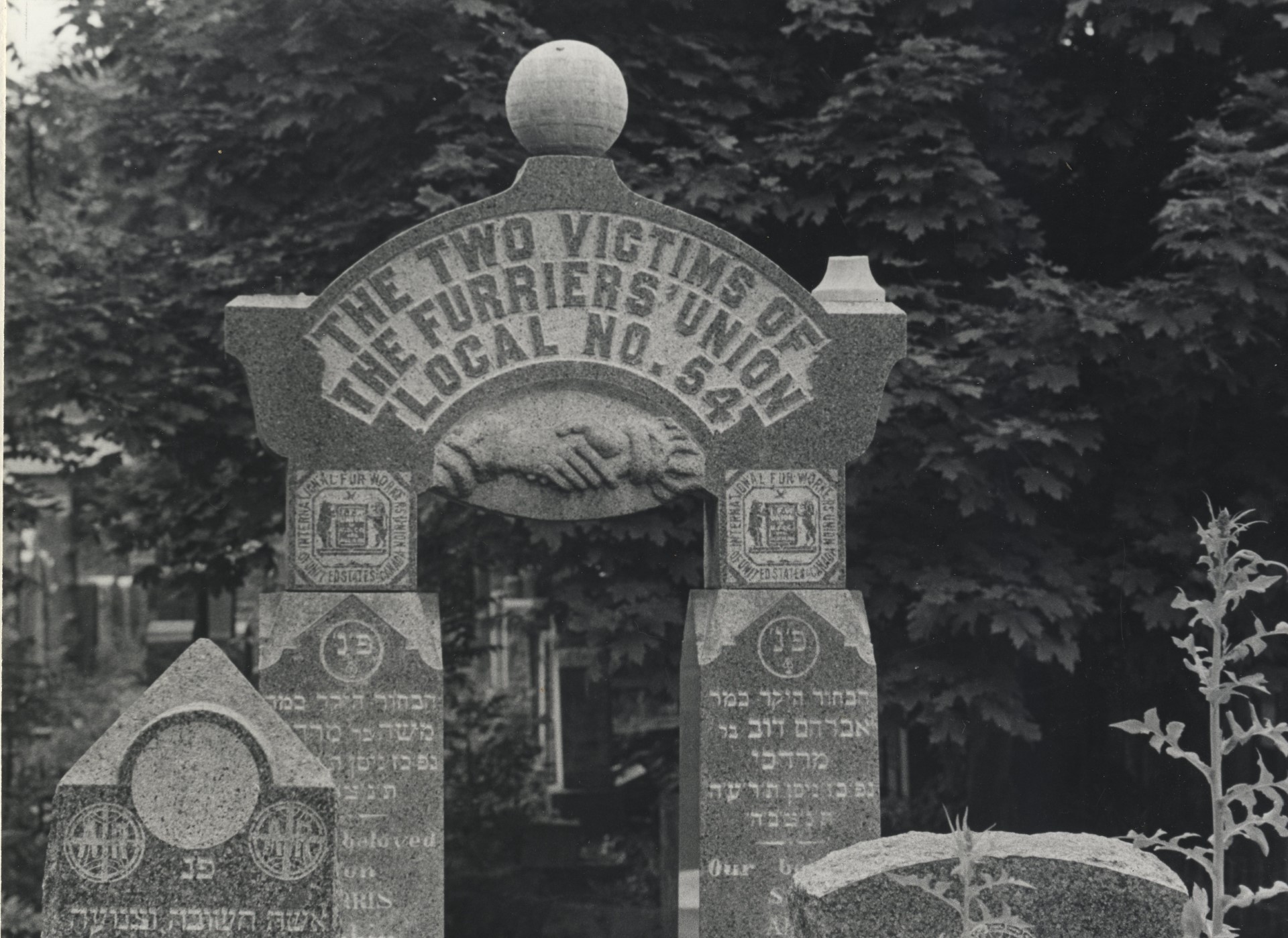
Over time, the cemeteries expanded, with individual burial sites owned by synagogues, fraternal lodges, landsmanshaftn (mutual-aid societies), trade unions, and benevolent groups, creating more than 100 burial plots across five main areas in greater Newark. These cemeteries are B’nai Abraham, Grove Street, McClellan Street, Talmud Torah, and Union Field. Collectively, they cover some 60 acres and hold the remains of approximately 60,000.
As Newark’s Jewish population relocated to burgeoning suburbs after World War II, many cemeteries fell into disrepair. Congregations dissolved, landsmanshaftn vanished, and perpetual care was rarely established.
Revival: Restoration and Renewal
Jewish Federation of Greater MetroWest NJ and Jewish Community Foundation work in tandem with Beth El Memorial Park Foundation, which was created in 1994 with the sole mission of maintaining and preserving these sacred grounds.
Today, resources have been invested to restore accessibility to these cemeteries. Documentation efforts are underway to ensure that the stories of those interred remain accessible, including entries in the JewishGen Worldwide Burial Registry (JOWBR).
Annual Cemetery Visiting Day: A Living Tradition
Each year, on the Sunday between Rosh Hashanah and Yom Kippur, Jewish Federation of Greater MetroWest organizes Annual Cemetery Visiting Day. It is a tradition to visit the gravesites of loved ones during the High Holidays when families can visit our 5 cemeteries: B’nai Abraham, Union Field, Grove Street, Talmud Torah, and McClellan Street.
These visits serve as powerful communal rituals: reconnecting families with ancestors, rediscovering forgotten plots, and honoring traditions in these open-air sanctuaries. “There is no greater mitzvah than honoring the deceased,” writes Federation, highlighting the profound spiritual and cultural significance of this annual pilgrimage.
Cemeteries as Outdoor Museums
Jewish cemeteries in Newark exemplify how burial grounds can serve as open-air museums, offering layered insights into immigration, religious life, community evolution, and cultural identity.
- Historical Artifacts: Headstones bear names of old-world landsmanshaftn, to memorialize towns and traditions now lost.
- Narratives: Headstones serve as silent storytellers, offering a glimpse into the lives, identities, and legacies of those interred beneath them. Each inscription, symbol, or date etched in stone becomes a lasting narrative of remembrance and meaning.
- Preservation Stories: Restoration campaigns, plot mapping, and headstone photos create living links between past and present.
Visitors walk paths that trace waves of arrivals, shared struggles, communal values, and inevitable urban change and this is a journey through time etched in stone.
The Jewish cemeteries of Newark are more than silent field. They are profound reminders of a vibrant immigrant story. Once neglected and nearly lost, these places are being redeemed through faith, community, and memory. Every headstone reset, every guided visit, every documented grave brings us closer to preserving not just names on stone, but the very essence of lives lived.
As we embark on the Annual Cemetery Visiting Day, we welcome loved ones and researchers and others, which reaffirms that history isn’t confined to books. It lives in places like these where cemeteries quietly transform into outdoor museums, inviting us to remember, reflect, and honor.
To register for this event, please click here.
For historical information about the Jewish cemeteries of Newark, please visit our Jewish Historical Society’s website.
Questions? Please contact Karen Auerbach Bocaletti, Manager, Jewish Historical Society, at [email protected].