

Growing up in Morocco, Mimouna was one of the most festive and joyous celebrations in my home. It marked the end of Passover with an explosion of sweetness, warmth, and community.
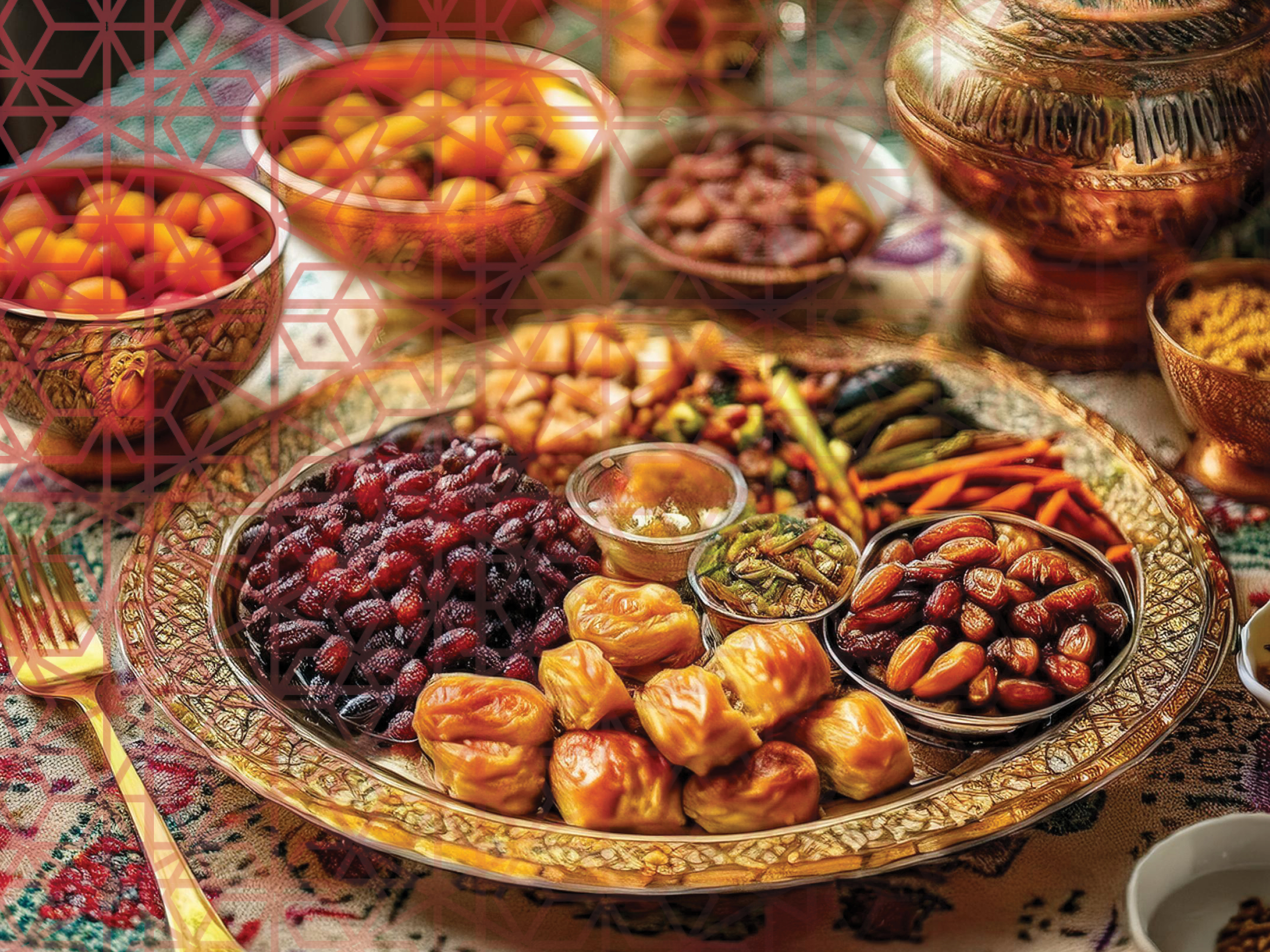
My mother would set up a stunning table overflowing with sweets and symbols of prosperity. At its center, a gold coin was pressed into a mound of flour and yeast, a wish for abundance in the year to come. A beautiful bowl held flour, five eggs, and five fresh bean pods, symbolizing renewal and new beginnings. Another centerpiece was the fish on a plate, adorned with wheat stalks—a representation of good fortune and sustenance.
Every detail carried meaning. Every item was placed with intention.
Rooted in the traditions of North African Jewish communities, particularly in Morocco, Mimouna is an evening of open-door hospitality, where friends and family gather to welcome the return of chametz (leavened foods) with joyous feasts, music, and blessings for prosperity.
Our home was filled with the scent of sugary delights that could be prepared without breaking Passover rules—marzipan-filled dates, almond macaroons, and delicate meringues. Since my family comes from the Spanish-speaking region of Morocco, Tangier and Tetouan, mufletas (crepe-like pancakes traditionally eaten during Mimouna) weren’t traditional in our home, but the array of sweets more than made up for it. As the sun set and Passover ended, one of my father’s Muslim associates would arrive at our door, arms full of baguettes, flour, and fresh wheat stalks—an act of friendship and coexistence that remains one of my most cherished memories.
At the beginning of the holiday, my dad would bless us with lettuce dipped in honey, and would bless the numerous guests the same way as they came in. Dinner always included my mother’s fish in red sauce with fresh fava beans, a dish so rich in flavor and tradition that the taste instantly takes me back to those nights of celebration.
Before Passover even began, my grandmother would spend hours in the kitchen, transforming the bitter peels of lemons and grapefruits into the sweetest, most fragrant jams. Watching her work, I realized that this was the essence of Mimouna—taking what is bitter and turning it into something beautiful, savoring the promise of sweetness after a time of restraint.
When my family moved from Marrakech to Montreal, we carried our traditions with us, defying the occasional late spring snowstorm. We visited friends as we always had, moving from house to house, reaffirming the strength of our Sephardic heritage in an entirely new landscape. That continuity, that unwavering connection to community, shaped my identity as a Jew in profound ways.
Today, I am fortunate to have friends who share my background, and each year, we come together for a night filled with sweetness—mufletas, sugared couscous with raisins, and an abundance of warmth and friendship.
For those celebrating Mimouna for the first time, I would tell them this: Open your doors, share your food, and embrace the joy of welcoming others into your home. It is a night to transition from the past to the future, from what was bitter to what is sweet. And above all, it is a celebration of hope, community, and the beauty of new beginnings.
If you’d like to experience Mimouna yourself, I hope you will join us for Mimouna After Dark, a special event in Greater MetroWest, where we’ll gather to share in the sweetness, tradition, and joy of this special holiday.