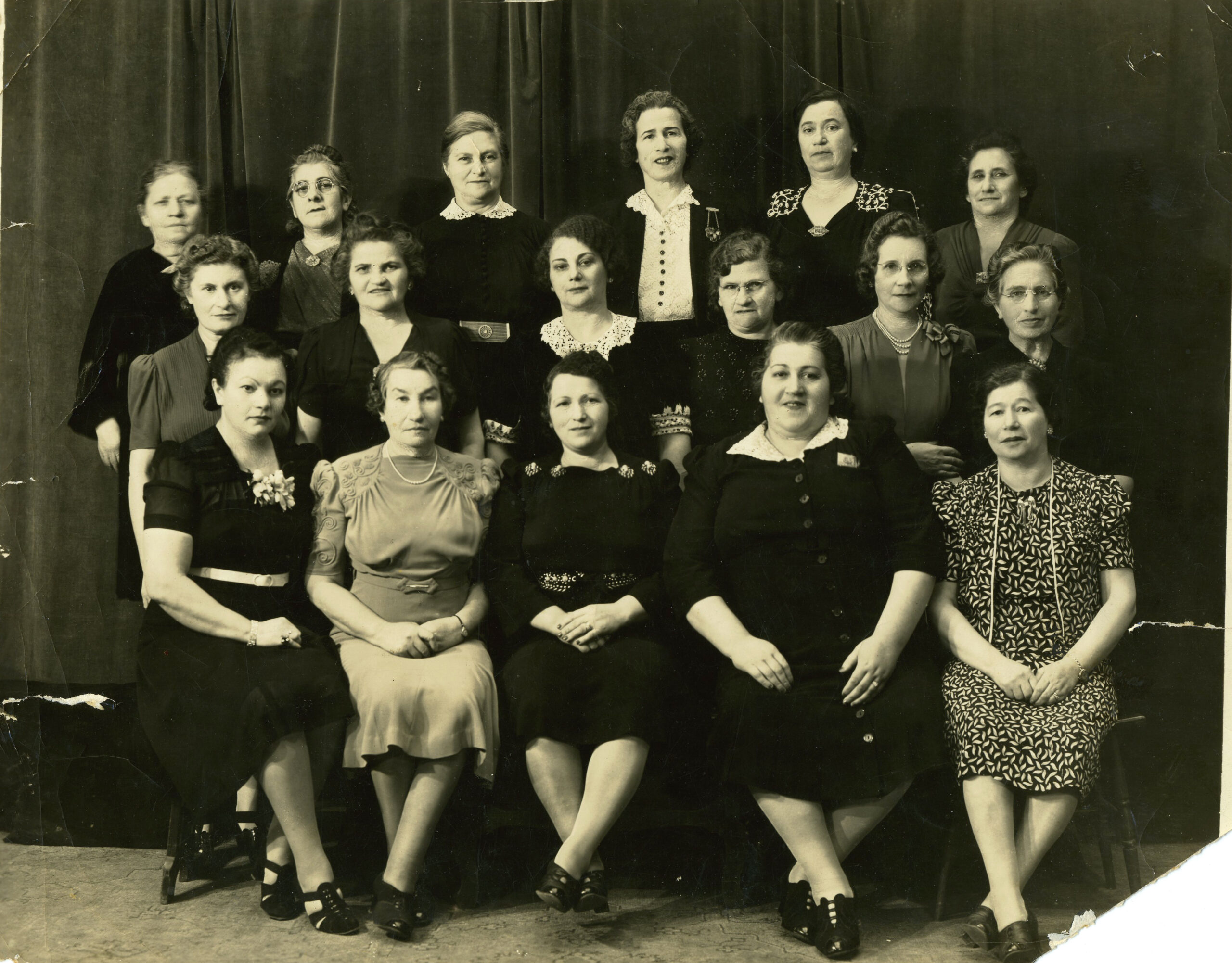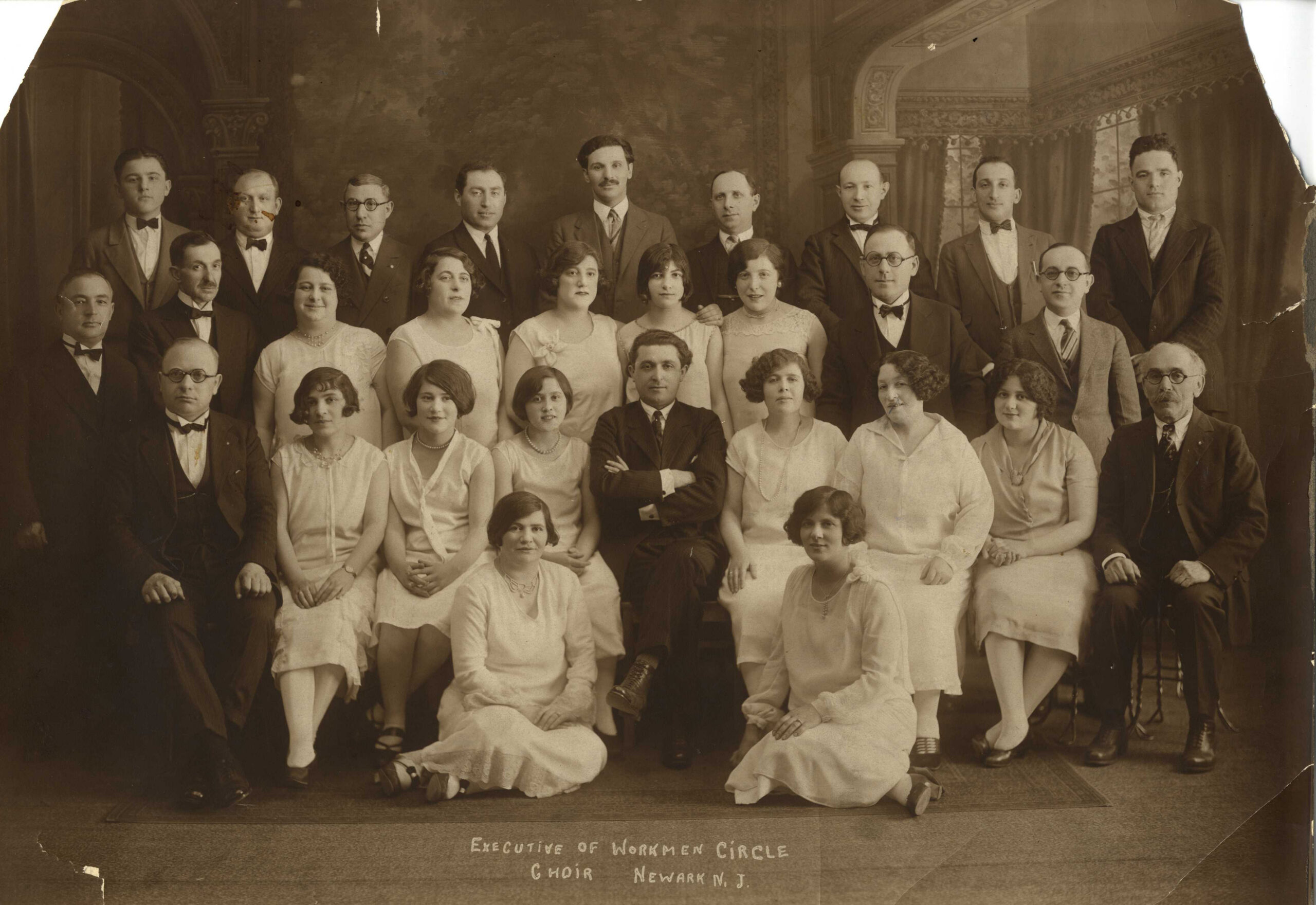
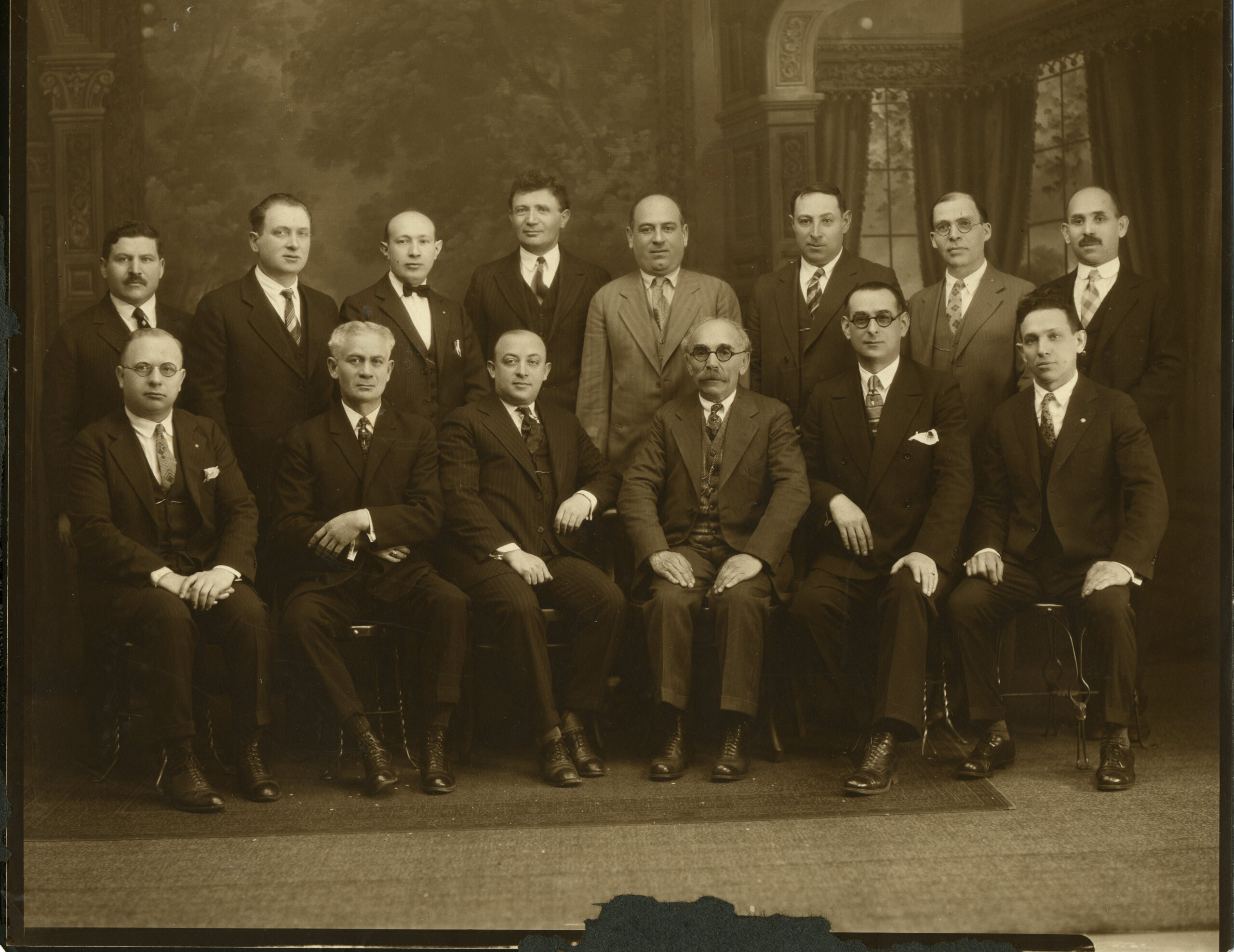
Labor Day provides an opportunity to reflect on the history of workers and the movements that fought to improve their lives. For Jewish immigrants arriving in the United States in the late nineteenth and early twentieth centuries, labor was closely connected to the challenges of building a new life. Many worked long hours in factories and sweatshops under difficult and sometimes dangerous conditions. In response, Jewish workers created organizations that offered not only labor support, but also mutual aid, education, cultural opportunities, and a sense of community.
Origins of the Workmen’s Circle
The history of American Jewry cannot be fully told without recognizing the important role of the Workmen’s Circle, or Arbeter Ring, and its contributions to Jewish American life, labor, and social justice.
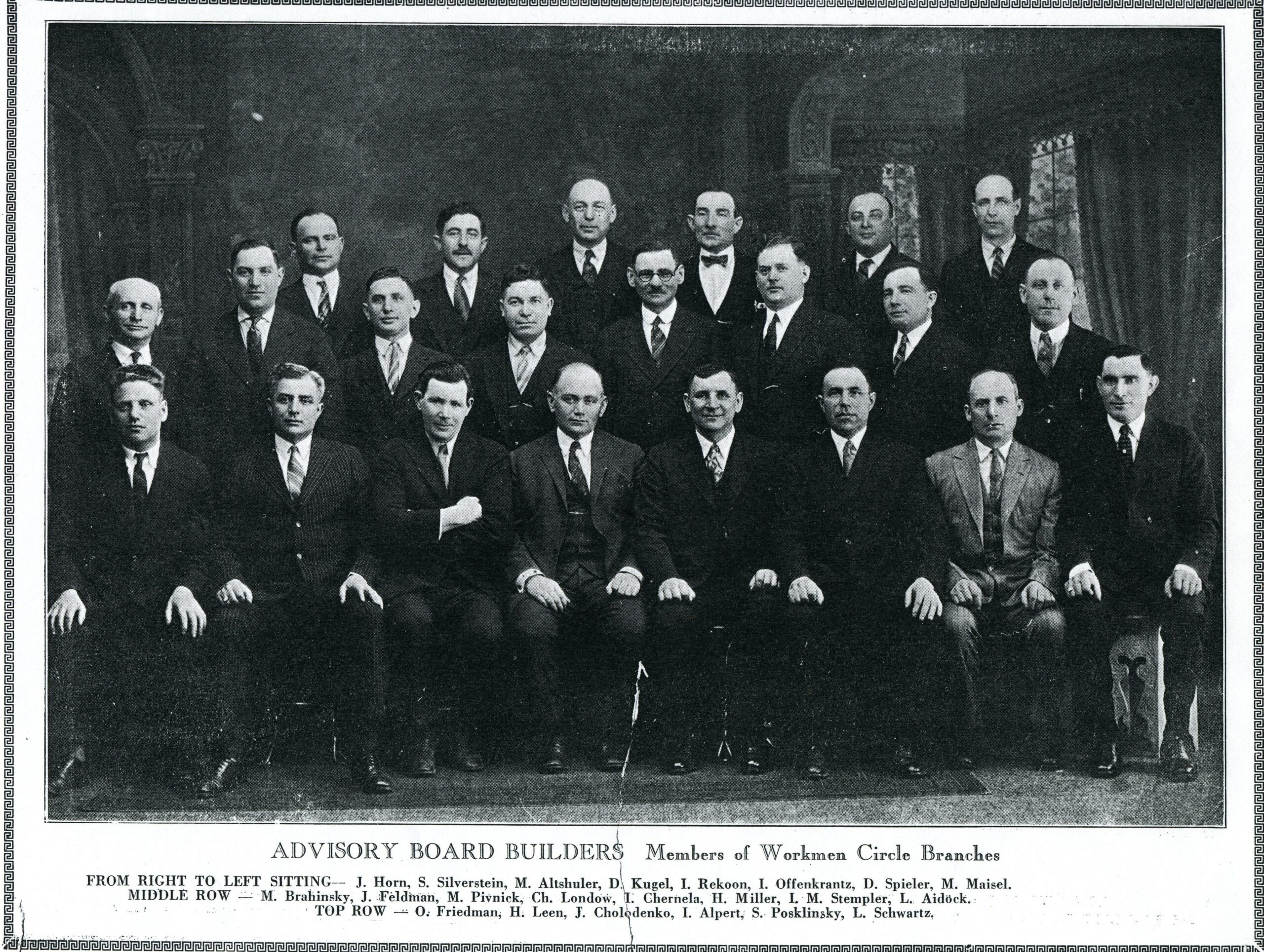
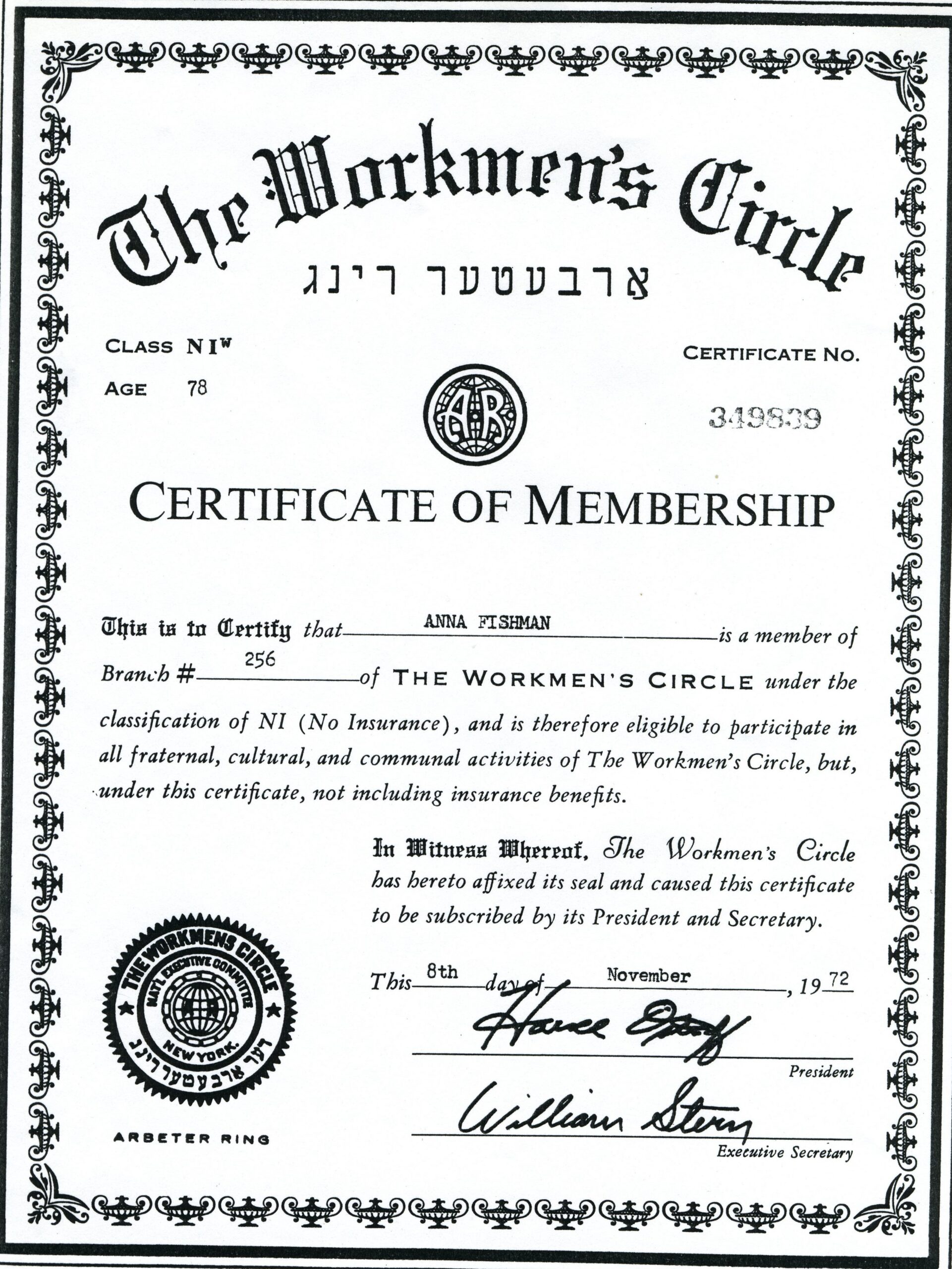
The Workmen’s Circle began as a mutual aid society formed by Jewish sweatshop workers on New York’s Lower East Side. On April 4, 1892, a small group of cloakmakers, including two women, organized under the name Workingmen’s Circle to address poverty wages, long hours, and dangerous working conditions. By 1900, the organization had officially adopted the name The Workmen’s Circle, or Arbeter Ring, and expanded into a broader movement centered on labor solidarity, mutual aid, education, and Jewish cultural life. By 1920, membership had grown to more than 80,000, making it one of the nation’s largest Jewish mutual aid and cultural organizations.
Mutual Aid and Labor Activism
From its earliest years, the Workmen’s Circle viewed itself as part of the broader labor movement. Its constitution reflected a commitment to supporting organized labor while providing education, social services, and mutual aid to Jewish workers and their families.
The organization developed an extensive network of social welfare programs. These included health care, sick benefits, death and funeral benefits, health centers, tuberculosis care, and cemetery services. These programs provided an important safety net for Jewish immigrants and working-class families at a time when government assistance and employer provided benefits were limited or nonexistent.
Education was another central part of the Workmen’s Circle’s mission. By the middle of the twentieth century, the organization operated hundreds of Labor Lyceums and community centers. These institutions provided spaces for lectures, classes, cultural programs, meetings, and social activities, reflecting the Circle’s commitment to education, worker empowerment, and Jewish cultural life.
The Workmen’s Circle in Newark
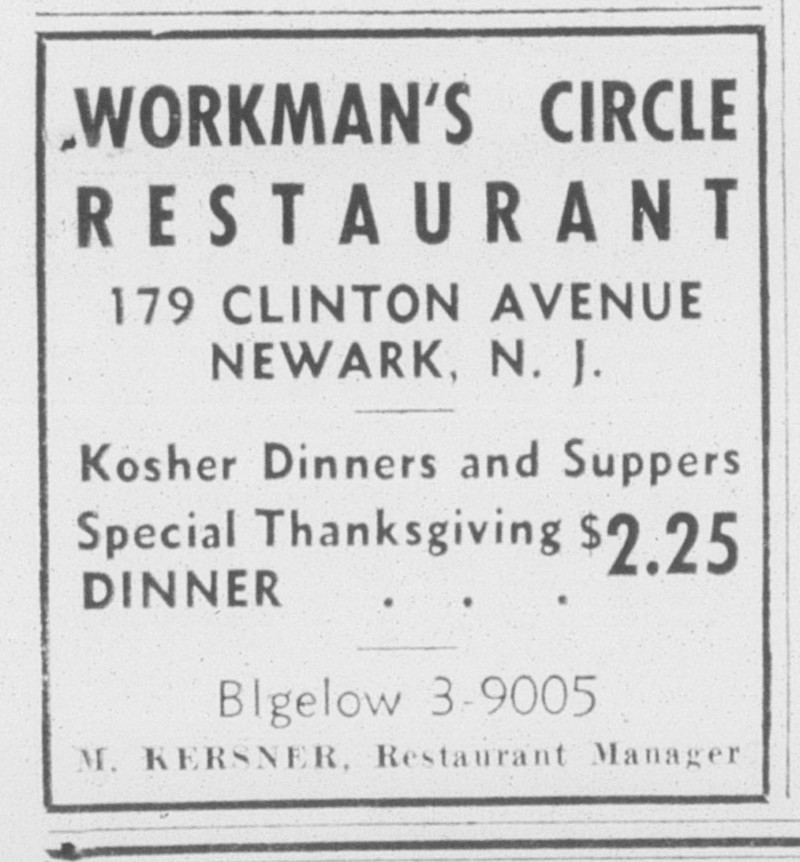
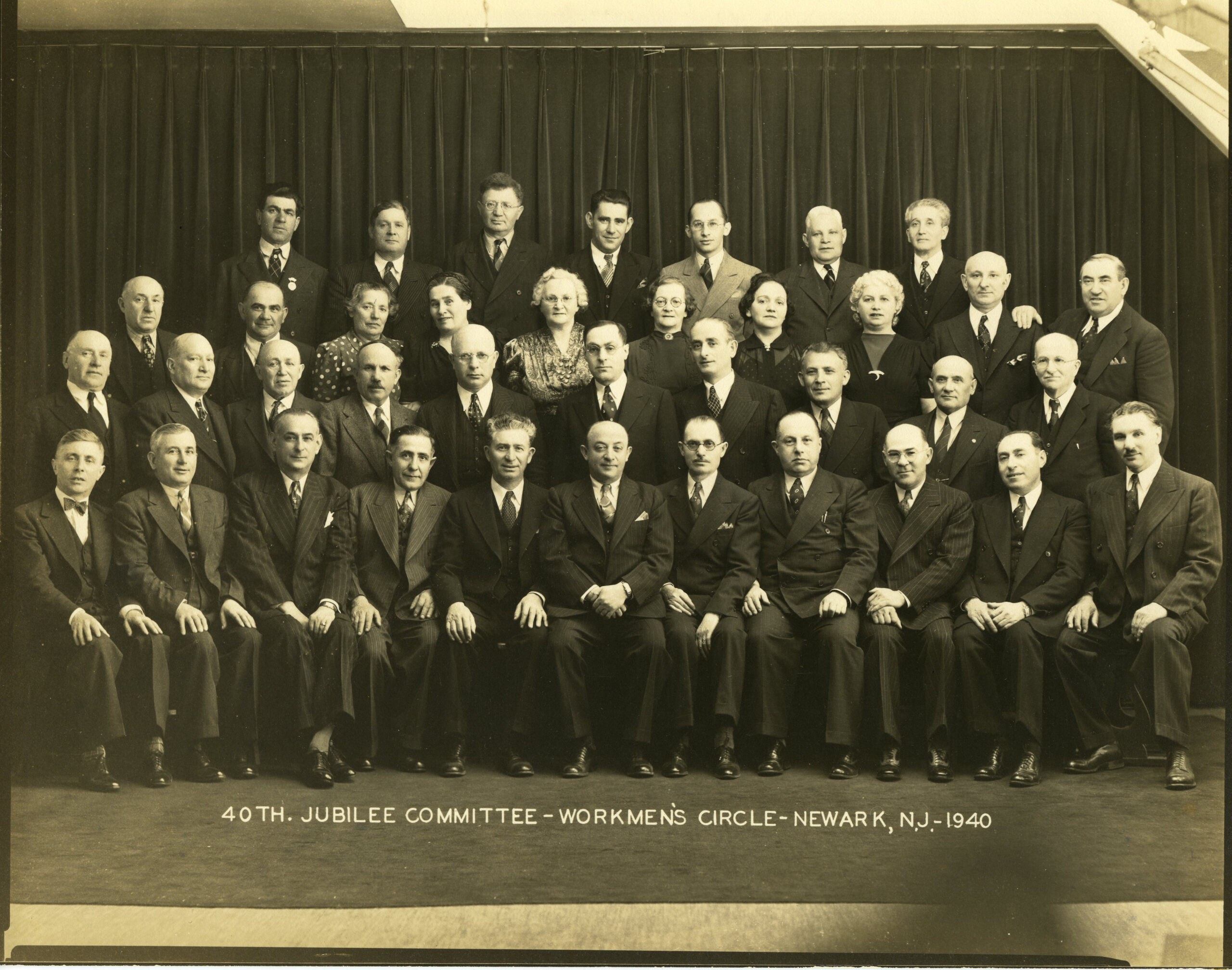
The Workmen’s Circle operated through a broad network of local branches, and Newark, New Jersey, became an important part of its organizational history.
Newark’s Jewish community emerged in the late nineteenth century amid a diverse and rapidly growing immigrant population. As Jewish immigrants established neighborhoods, businesses, synagogues, schools, and fraternal organizations, institutions such as the Workmen’s Circle became part of the city’s developing Jewish social and cultural landscape.
The first Newark chapter of the Workingmen’s Circle was incorporated in September 1913, placing Newark within the organization’s early twentieth century expansion. The chapter’s formation reflected the growth of Newark’s Jewish working class and the importance of fraternal organizations in providing mutual aid, social connections, education, and community support.
Although surviving records documenting the specific programs and activities of Newark’s individual branches are limited, the local chapter can be understood within the larger mission of the Workmen’s Circle. Its emphasis on mutual aid, labor solidarity, education, and civic engagement reflected the needs and experiences of Jewish immigrants throughout Newark and other industrial cities.
Newark as a Center for Workmen’s Circle Activities
Newark also played an important role as a gathering place for the larger organization.
In May 1920, the Workmen’s Circle held its 20th annual convention at Krueger Auditorium in Newark. The convention brought together 150 delegates and was accompanied by a massive parade of approximately 4,000 workers. During the gathering, the organization passed a resolution expressing its best wishes and solidarity with Socialist leader Eugene V. Debs, who was serving a federal prison sentence for speeches opposing U.S. participation in World War I.
The following year, in 1921, the national organization again turned to Newark, holding a convention at the city’s Labor Lyceum. The use of Newark facilities for these major gatherings demonstrates the city’s significance within the organization’s broader network and its importance as a center of Jewish working class and labor activity.
At the time, the Independent Workmen’s Circle of America was composed of approximately 3,500 members and 63 lodges, with delegates representing communities in New Jersey, New York, Pennsylvania, and other states. These figures represent the organization as a whole rather than the Newark chapter specifically, but they demonstrate the extensive network through which the Workmen’s Circle connected Jewish workers and communities across the United States.
A Lasting Legacy
The Workmen’s Circle remained an important part of American Jewish life throughout the twentieth century, combining mutual aid and labor activism with Jewish education, language, culture, and community building. Its history reflects the experiences of generations of Jewish immigrants and their descendants who sought not only economic security but also a strong sense of community and cultural identity.
Today, the organization, now known as The Workers Circle, continues this tradition. Its work remains rooted in labor advocacy, immigrant dignity, social justice, access to health care, and the preservation and celebration of Jewish culture and heritage. The organization has over 200,000 members worldwide today.
The enduring philosophy of the Workmen’s Circle is perhaps best captured by its Yiddish ideal of creating “a better and more beautiful world for all.”
As we mark Labor Day, the story of the Workmen’s Circle offers an opportunity to remember the Jewish workers who helped shape American labor history and the organizations they built to support one another. Its history demonstrates how the struggle for better working conditions was also a story about community, dignity, and the pursuit of a better life.
The public is welcome to visit the Jewish Historical Society of Greater MetroWest NJ to explore our collection of historic documents, photographs, and other materials documenting the history of the Workmen’s Circle and many other Jewish organizations that helped shape our community.