

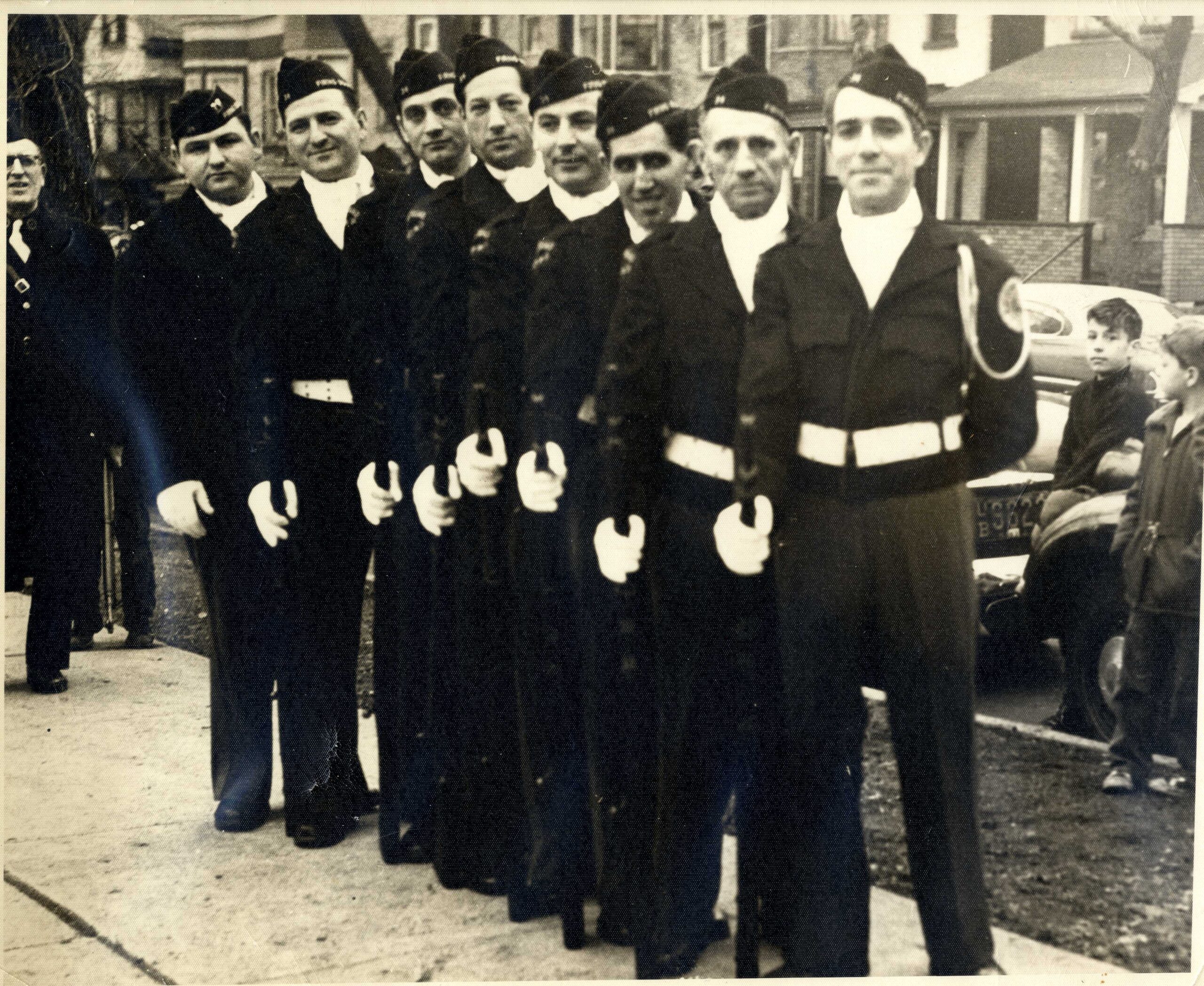
Every Memorial Day, Americans across the country pause to remember the men and women who gave their lives in military service. For American Jews, this day of reflection carries profound historical and cultural significance, not only as citizens of the United States but also as members of a community whose contributions to the nation’s military history are both deep and often underrecognized. Central to this narrative is the Jewish War Veterans of the United States of America (JWV), the oldest active veterans’ organization in the country, which has long stood as a symbol of patriotism, sacrifice, and advocacy.
The Jewish War Veterans organization was founded in 1896 by a group of Jewish Civil War veterans. At the time, American Jews faced widespread accusations that they had not served honorably, or at all, in the Civil War. In response, these veterans came together to assert the truth: that Jewish Americans had not only served but had done so with distinction and valor. The organization was created to preserve the memory of Jewish military service, combat antisemitism, and ensure Jewish veterans had a voice in public life.
From the Spanish-American War to the wars in Iraq and Afghanistan, Jewish Americans have served in every U.S. conflict. During World War II alone, over 550,000 Jewish Americans wore the uniform, with many receiving decorations for bravery, and thousands making the ultimate sacrifice. The JWV has tirelessly preserved their stories, honored their legacies, and advocated for veterans’ rights regardless of religion or background.
Memorial Day is more than a patriotic observance for American Jews—it is a moment to reclaim a shared legacy. For generations, American Jews have often been perceived through the lens of cultural or religious difference, sometimes cast as outsiders to the American story. Memorial Day defies that narrative by spotlighting the sacrifices that Jewish Americans have made for the nation’s freedom and security.
Participation in Memorial Day events, whether laying wreaths, marching in parades, or visiting cemeteries, is a way for Jewish Americans to assert a proud identity that is both deeply Jewish and deeply American. JWV posts across the country play a vital role in organizing commemorations, placing flags on the graves of Jewish veterans, and educating the public about Jewish military history.
One of the founding missions of the Jewish War Veterans was to combat the idea that Jews were unpatriotic or unwilling to serve. Even today, amid resurgences of antisemitism, the presence of Jewish Americans in military service continues to challenge harmful stereotypes. The JWV provides a living reminder that Jews have long stood on the front lines to defend American values.
Moreover, Memorial Day becomes an opportunity to reflect not just on the past, but on the ongoing need for vigilance and unity. The stories of Jewish soldiers—men and women, immigrants and native-born, religious and secular—are American stories. They remind us that patriotism is not monolithic and that service comes in many forms.
As we mark Memorial Day, American Jews honor the memory of those who gave their lives in service, affirm their rightful place in the national narrative, and recommit to the ideals that so many died defending. The Jewish War Veterans organization continues to be a guardian of that memory and a testament to the power of service to overcome prejudice and division.
In a time when national unity often feels strained, remembering the diverse fabric of American sacrifice, including the profound contributions of Jewish service members, offers a path forward rooted in respect, remembrance, and shared purpose.